Published on 20 June 2026 by Inspire to Change
Sometimes Known As
Role
Ethicists are the custodians of ethical standards and moral principles within organizations and communities. They ensure that all actions and decisions are guided by principles of fairness, justice, dignity, and respect.
Jobs an Ethicist Might Hold
Personality
Ethicists are principled, fair-minded, and compassionate. They have keen insight and are excellent at judging whether something is good or bad. They are courageous and are not afraid to stand up for what is right.
Skills
Moral Judgment: Evaluating whether something is right or wrong.
Conflict Resolution: Facilitating a peaceful ending to a dispute.

Advocacy: Representing and championing fairness and justice.
Ethical Analysis: Critically and reflectively examining different viewpoints and arguments.
Nemesis
The Unscrupulous: Those who have no moral principles, undermining the work of ethicists.
Frenemy
Visionaries: Yes, it’s important to focus on what could be, but will it clash with moral principles and challenge current ethical norms?
Lightworkers: Will the spiritual focus of lightworkers conflict with the rationale and principle-based approach of ethicists?
Traps
Rigidity Over Pragmatism: Ethicists working in social change could become so focused on maintaining strict adherence to specific ethical principles that they may fail to adapt to the complexities.
Moral Superiority: Ethicists may view their role as gatekeepers of morality, creating a disconnect with those they aim to help or work with, as it can come across as condescending or paternalistic.
Overemphasis on Intentions Over Outcomes: Ethicists might focus too heavily on the intentions behind actions rather than the outcomes, leading to situations where ethical processes are championed even when they result in negative consequences.

Ethicists provide a necessary moral compass, promoting a culture of integrity, fairness, and respect. They help to navigate ethical dilemmas, ensuring decisions align with the initiative's values and societal expectations.
Focus For The Ethicist’s Inner Work: Cognitive Flexibility
Ethicists are the guardians of moral and ethical principles in an ever-evolving society. As the world changes, so too must the frameworks by which we judge right and wrong. Thus, a primary focus for inner work among ethicists should be cognitive flexibility. This involves deliberately engaging in exercises and thought experiments that challenge existing ethical frameworks. By doing so, ethicists can ensure their perspectives remain not only relevant but also inclusive and adaptable to the dynamic nuances of our globalized world. Embracing cognitive flexibility allows them to remain steadfast in their principles while being open to understanding and integrating diverse viewpoints.
On The Ethicist’s Bookshelf
Ethics in the Real World: 82 Brief Essays on Things That Matter by Peter Singer. In a series of engaging essays, Singer presents a variety of ethical quandaries, pushing readers to rethink and possibly expand their ethical boundaries.
All About Love: New Visions by bell hooks. This exploration of love delves into its role as an ethical and political force, challenging readers to redefine and reclaim love as the cornerstone of true justice and societal transformation.
Just Mercy: A Story of Justice and Redemption by Bryan Stevenson dives into the world of social justice, detailing the challenges and triumphs of fighting for the marginalized, and underscores the importance of perseverance and humanity in advocacy.
About the Ethicist
Ethicists explore the complexities of moral values and principles, particularly in business, law, medicine, technology, and social issues. They dissect dilemmas, craft possible solutions, and guide people and organizations toward ethical decisions. Through applying philosophical theories and reasoning, engaging in dialogues, and leveraging a deep understanding of various ethical frameworks, ethicists navigate complex moral grounds.
When deciding what's right or wrong, ethicists have a variety of philosophical frameworks they may apply, such as consequentialism, deontology, virtue ethics, or care ethics. Regardless of the framework, ethicists also consider cultural and societal norms, legal standards, and the specifics of each context. They remain open to various perspectives, understanding that morality is nuanced and that what is considered ethical in one setting may not hold true in another. This process can be difficult, as it often involves balancing competing interests and diverse values while striving to find the most ethical path forward.
As we strive for innovation and progress in social change work, ethicists ensure we do not lose sight of the moral frameworks that bind us. In a complex world where different cultures and ideologies often collide, ethicists help us find common ground based on shared human values.
Ethicists in Real Life
These changemakers have contributed to the understanding and application of ethics in social change through diverse lenses, addressing various dimensions of ethics in their work on social issues, justice, education, and the impact of colonialism.
A Goenpul woman of the Quandamooka people and a distinguished professor of Indigenous Studies, Moreton-Robinson’s work focuses on Indigenous rights and the critique of postcolonial and feminist theory from an Indigenous perspective. She engages with ethics in the context of race, gender, and colonialism, highlighting the need for decolonization and social justice.
An economist and philosopher, Sen has made significant contributions to welfare economics, social choice theory, and economic and social justice. His work on poverty and famine has been influential in both academic circles and policy implementation, advocating for a more humane approach to economic development.
Although primarily known as an educator, Freire's work also intersects with ethics, particularly in his advocacy for critical pedagogy. His book Pedagogy of the Oppressed is a seminal work in both educational theory and social ethics, arguing for education that fosters critical thinking and social consciousness.
Quotes
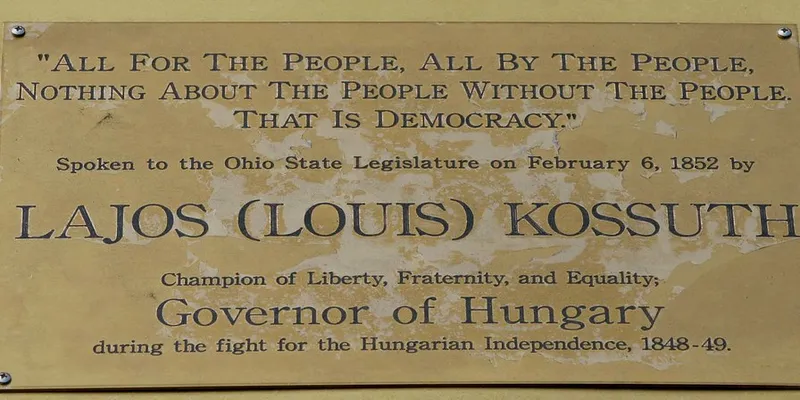
"Any situation in which some men prevent others from engaging in the process of inquiry is one of violence;… to alienate humans from their own decision making is to change them into objects."
"It is not always the same thing to be a good man and a good citizen."
“Love your neighbor. Love the stranger. Hear the cry of the otherwise unheard. Liberate the poor from their poverty. Care for the dignity of all. Let those who have more than they need share their blessings with those who have less. Feed the hungry, house the homeless, and heal the sick in body and mind. Fight injustice, whoever it is done by and whoever it is done against. And do these things because, being human, we are bound by a covenant of human solidarity, whatever our color or culture, class or creed. These are moral principles, not economic or political ones. They have to do with conscience, not wealth or power. But without them, freedom will not survive. The free market and liberal democratic state together will not save liberty, because liberty can never be built by self-interest alone. I-based societies all eventually die. Ibn Khaldun showed this in the fourteenth century, Giambattista Vico in the eighteenth, and Bertrand Russell in the twentieth. Other-based societies survive. Morality is not an option. It’s an essential.”
Why Ethicists Matter in Changemaking
In the complex landscape of social change, ethicists serve as the compass that keeps initiatives aligned with core values. While other changemaker roles may focus on action, vision, or connection, ethicists ensure that the means do not undermine the ends. They ask the hard questions: Who benefits? Who might be harmed? Are we respecting the dignity of all involved? By doing so, they prevent well-intentioned efforts from causing unintended harm and build trust among stakeholders.
Ethicists are particularly crucial when navigating emerging technologies, global supply chains, or cross-cultural collaborations. They help organizations anticipate ethical dilemmas before they arise, rather than reacting after damage is done. This proactive approach not only safeguards reputation but also strengthens the moral foundation of the entire changemaking ecosystem.
How Ethicists Approach Ethical Dilemmas
When faced with a moral quandary, ethicists typically follow a structured process. First, they gather all relevant facts and identify the stakeholders involved. Next, they clarify the ethical principles at stake—such as autonomy, justice, beneficence, or non-maleficence. Then, they evaluate possible courses of action through different ethical lenses, considering both short-term and long-term consequences.
Ethicists often facilitate dialogue among diverse parties to surface hidden assumptions and values. They may use tools like ethical matrices, case studies, or thought experiments to illuminate trade-offs. The goal is not to impose a single "right" answer but to arrive at a well-reasoned, defensible decision that can withstand scrutiny. This methodical approach helps organizations move beyond gut reactions and toward principled action.
Ethicists in Different Sectors
The role of an ethicist varies depending on the context. In healthcare, they may serve on hospital ethics committees, advising on patient rights, end-of-life care, or resource allocation. In technology, they grapple with issues like data privacy, algorithmic bias, and the societal impact of AI. In business, they help companies navigate corporate social responsibility, fair labor practices, and environmental stewardship.
In the nonprofit and social change sector, ethicists often work alongside Advocates and Catalysts to ensure campaigns are conducted with integrity. They may review fundraising practices, partnership agreements, or program designs to ensure they align with the organization's mission and values. Their input is invaluable when working with vulnerable populations, where power imbalances and potential for exploitation are high.
Building an Ethical Culture
Beyond individual decisions, ethicists play a key role in shaping organizational culture. They help develop codes of ethics, conduct training sessions, and establish mechanisms for reporting ethical concerns. By fostering an environment where ethical reflection is valued, they empower all members to act as moral agents.
An ethical culture is not about rigid compliance but about shared commitment to doing what is right. Ethicists encourage open dialogue, reward moral courage, and address ethical lapses constructively. They understand that a healthy ethical climate reduces risk, enhances employee morale, and strengthens relationships with the community. Ultimately, their work ensures that the organization's actions consistently reflect its stated values.
Collaborating with Other Changemaker Roles
Ethicists do not work in isolation; they collaborate closely with other roles to achieve holistic change. With Bridgers, they help build understanding across cultural divides, ensuring that ethical principles are interpreted in context. With Builders, they ensure that new structures and systems are designed with fairness and accountability in mind. Even with Creators, they can guide the ethical use of art and storytelling to avoid misrepresentation or harm.
This collaborative approach enriches the changemaking process. By integrating ethical perspectives early and often, teams can avoid costly mistakes and build solutions that are both effective and just. Ethicists remind us that the journey toward change is as important as the destination, and that how we achieve our goals matters deeply.
Written by Inspire to Change
← Back to blog