Published on 31 January 2026 by Inspire to Change
Change is not a solo act. It is a collective, dynamic process that relies on a diversity of talents, temperaments, and contributions. At Inspire to Change, we believe that understanding the roles people play in driving transformation is essential for building resilient communities and achieving lasting impact. This article explores the concept of changemaker roles, why they matter, and how you can discover your own place in the ecosystem of change.
The Power of Roles in Social Change
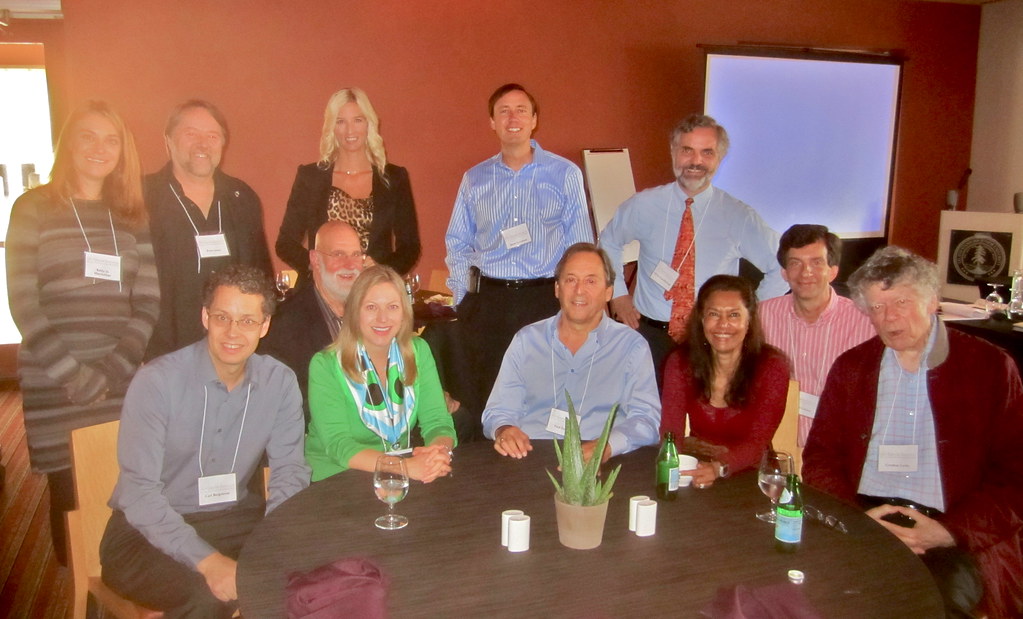
Every movement, every organization, every community effort is made up of individuals who bring different strengths and perspectives. Some are visionaries who see what could be; others are organizers who turn ideas into action. Some are communicators who spread the message; others are analysts who ensure decisions are grounded in evidence. When these roles are recognized and valued, groups can work together more effectively, even when they disagree.
The concept of twenty-two distinct changemaker roles offers a framework for understanding this diversity. Rather than expecting everyone to be a charismatic leader or a tireless activist, this approach acknowledges that transformation requires many kinds of contributions. From the quiet researcher to the bold advocate, each role has a part to play in shifting systems and norms.
Inspire to Change helps individuals identify which roles they naturally gravitate towards. This is not about putting people in boxes, but about illuminating strengths and preferences that can be harnessed for collective good. When people understand their own role—and the roles of others—they can collaborate more intentionally, reduce friction, and amplify their impact.
“Transformation is not the work of a single hero, but of a diverse cast of changemakers, each playing their part with purpose and passion.”
Why Twenty-Two Roles?
Why twenty-two roles, and not five or fifty? The number reflects a balance between comprehensiveness and practicality. Too few roles would oversimplify the complexity of social change; too many would be unwieldy. The twenty-two roles are designed to capture the breadth of human contribution without losing clarity.
These roles span multiple dimensions: some are oriented towards ideas (e.g., the Visionary, the Theorist), others towards relationships (e.g., the Connector, the Mediator), and still others towards action (e.g., the Builder, the Campaigner). There are roles for those who work behind the scenes and those who thrive in the spotlight. This diversity is essential because transformation requires both innovation and implementation, both challenge and care.
By naming these roles, we create a shared language. Teams can discuss who is filling which role, where there are gaps, and how to support each other. This is especially valuable in cross-sector collaborations where people from different backgrounds may have very different working styles.
Identifying Your Natural Role
Most people have a primary role that feels most authentic, along with secondary roles they can adopt when needed. Discovering your natural role is a process of self-reflection and feedback. Ask yourself: What activities give me energy? When do I feel most effective? What do others consistently appreciate about my contributions?

Inspire to Change is developing a Changemaker Roles Assessment to help with this discovery. This tool will guide you through a series of questions designed to reveal your dominant role and how it interacts with others. While the assessment is not yet available, you can explore the Changemaker Roles page for a preview of the framework.
Knowing your role is not about limiting yourself; it’s about focusing your energy where you can make the greatest difference. It also helps you understand why you may clash with certain people—often, it’s because your roles are in tension. For example, a Critic and a Visionary may frustrate each other, but both are needed for robust decision-making.
Collaborating Across Differences
One of the greatest challenges in any change effort is working with people who see the world differently. The changemaker roles framework offers a way to appreciate those differences rather than fight them. When you understand that someone is playing the role of the Skeptic or the Guardian, you can recognize the value they bring—even if their approach feels uncomfortable.
Effective collaboration requires more than tolerance; it requires active engagement with diverse roles. This means creating space for quiet voices, inviting challenge from critics, and ensuring that action-oriented roles don’t steamroll reflective ones. It also means being willing to step into a different role when the situation demands it.

At Inspire to Change, we emphasize that wellbeing is integral to this work. Burnout often happens when people are forced to operate outside their natural roles for too long, or when their contributions are undervalued. By aligning roles with strengths, we can sustain the energy needed for long-term transformation.
Roles in Practice: Examples and Dynamics
Consider a community campaign to improve local environmental policies. The Visionary imagines a greener future; the Researcher gathers data on pollution; the Storyteller crafts narratives that move hearts; the Organizer coordinates volunteers; the Advocate lobbies officials; the Healer tends to the emotional toll on activists. Each role is distinct, yet all are necessary.
In a nonprofit organization, you might find the Strategist setting direction, the Implementer executing plans, the Fundraiser securing resources, the Evaluator measuring impact, and the Networker building partnerships. Without any one of these, the organization would struggle. The framework helps leaders identify gaps and recruit for missing roles.
It’s also common for roles to shift over time. A young activist may start as a Rebel, challenging the status quo, and later become a Mentor, guiding the next generation. Understanding this evolution can help individuals navigate their own growth and support others in theirs.
Integrating Roles with Broader Frameworks
The changemaker roles concept does not exist in isolation. It connects to other frameworks and resources that Inspire to Change offers. For example, Aligning in Complexity explores how to navigate uncertainty, which is essential when multiple roles interact. Centering Inquiry emphasizes the importance of asking good questions—a skill that underpins many roles, from the Researcher to the Facilitator.
Our Focus Areas page outlines the key domains where transformation is needed, and the roles framework can be applied within each. For practical tools, visit our Guides section, which offers actionable advice for changemakers at every stage. And if you’re interested in the relational side of change, Restoring Connection provides insights into building trust and repairing relationships.
By weaving these resources together, you can develop a holistic approach to your work as a changemaker. The roles framework is a starting point, not an endpoint. It invites you to see yourself and others more clearly, and to act with greater intention.
What’s Next: The Changemaker Roles Assessment
We are excited to announce that a new Changemaker Roles Assessment is on the horizon. This tool will help you pinpoint your primary and secondary roles, understand your strengths and blind spots, and learn how to collaborate more effectively with others. It is designed for individuals, teams, and organizations who want to deepen their impact.
While the assessment is being finalized, you can get a sneak preview by visiting our Changemaker Roles page. There you’ll find an overview of the twenty-two roles and how they interrelate. We encourage you to reflect on which roles resonate with you and to share your thoughts with your community.
If you’d like to be the first to know when the assessment launches, subscribe to our updates. We’ll notify you as soon as it’s available, along with resources to help you interpret your results and apply them in your work. Transformation is a journey, and knowing your role is a powerful step forward.
In the meantime, we invite you to explore the rich tapestry of changemaker roles and consider how you might contribute to the change you wish to see. Whether you are a seasoned activist or just beginning to find your path, there is a place for you in this work. Together, we can create a world that works for all.
Written by Inspire to Change
← Back to blog